ZIP codes are far more than just numbers on an envelope—they are a key part of the U.S. mail‑sorting system that helps letters and packages move quickly and accurately from sender to receiver. By tying each address to a specific delivery area, ZIP codes allow the U.S. Postal Service (USPS) and other carriers to automate sorting, route mail efficiently, and reduce delays and errors. faq.usps
Sorting mail faster and more accurately
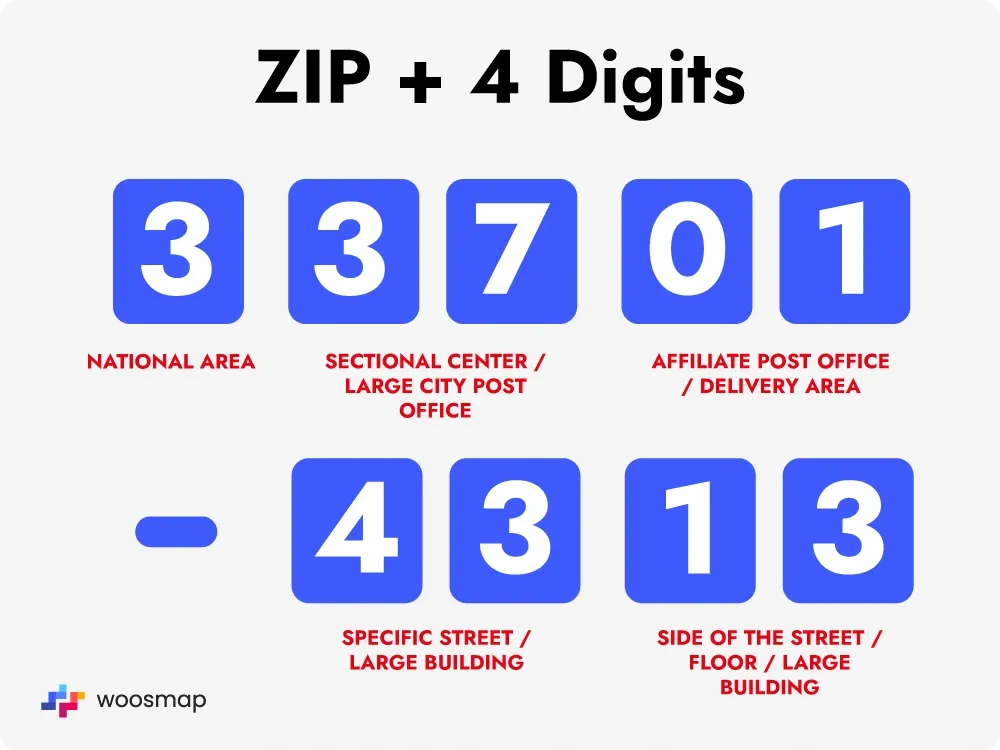
When a piece of mail has a ZIP code, postal machines can read the digits and immediately group it with all other mail going to the same general region, city, or delivery route. This means a letter does not have to be read word‑for‑word; instead, it can be sorted in bulk by ZIP code at processing centers before being sent to the correct local post office. ZIP+4 codes (the nine‑digit format) refine this even further, often narrowing mail to a specific street segment, building, or postal route, which speeds up the final leg of delivery. en.wikipedia
Routing mail between regions
ZIP codes mirror the structure of the U.S. postal network, with the first digits representing large regions and the last digits pointing to smaller delivery zones. This built‑in geography lets USPS and private carriers route mail between regional hubs, sectional centers, and local post offices without constantly checking city names or street maps. As a result, moving mail from one ZIP code to another—such as from a business in Illinois to a residence in California—becomes a predictable, rules‑based process instead of a manual guessing game. warespace
Reducing delays and misdeliveries
An accurate ZIP code helps keep mail on the right path through the system. If a ZIP code is missing or wrong, the mail may be delayed while workers look it up by hand or it may be sent to the wrong city or post office, increasing the chance of misdelivery or return‑to‑sender handling. Businesses that maintain clean address data, including ZIP+4 codes, often see lower rates of lost or misrouted mail and can qualify for faster, cheaper mailing options through USPS automation programs. edq
Supporting private carriers and logistics
While ZIP codes were created by the USPS, many private carriers and logistics companies also rely on them to plan routes and optimize delivery times. Parcel shippers, couriers, and e‑commerce platforms use ZIP codes to estimate transit times between origin and destination ZIPs, plan delivery zones, and even tailor pricing based on distance and regional density. In this way, ZIP codes help not only the postal system but the broader mailing and shipping ecosystem operate more smoothly. compu-mail
References
- USPS FAQ, “ZIP Code™ – The Basics,” describing how ZIP codes enable fast and efficient mail processing and warning that missing ZIP codes can slow down delivery. faq.usps
- Wikipedia, “ZIP Code,” explaining the role of ZIP codes in routing and sorting mail and how both USPS and private carriers use them. en.wikipedia
- Experian and other logistics blogs, emphasizing that postal/ZIP codes help pinpoint geographic locations and reduce delivery errors. edq
- Articles on ZIP+4 and mail‑efficiency, showing how the extra four digits improve sorting accuracy and lower misdelivery rates for businesses. xtransfer
No approved comments yet.